
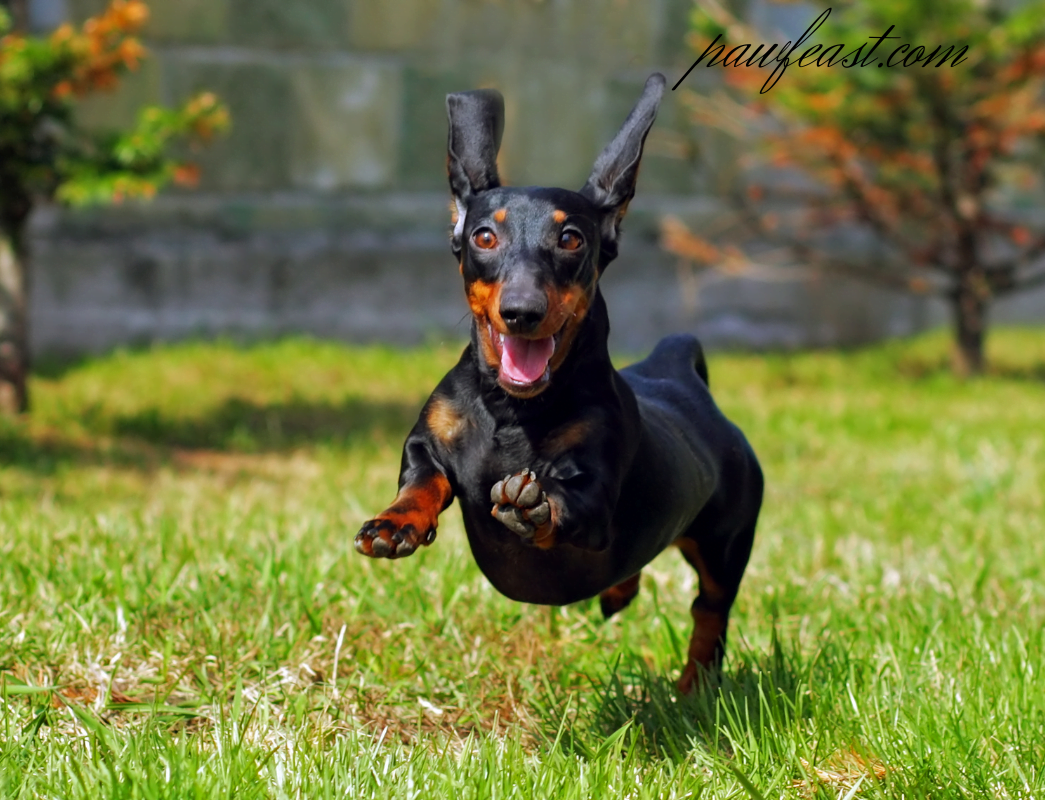
Miniature Dachshunds, affectionately dubbed Wiener Dogs or Doxies, are a breed known for their vivacious personalities and distinctive physiques. These diminutive canines, with their elongated bodies and short legs, are prone to specific health issues. To ensure the well-being of your beloved Mini Doxie, it’s essential to understand the common ailments they face, their causes, signs, and preventive measures.
The 6 Miniature Dachshund Health Problems
1. Progressive Retinal Atrophy (PRA)
Progressive retinal atrophy is a degenerative eye condition that leads to blindness. The retina, responsible for converting light into electrical signals, gradually deteriorates. This disease is primarily genetic, affecting younger dogs.
Signs: Initially, symptoms may be subtle, such as difficulty seeing at night or dilated pupils. Over time, these symptoms progress to complete blindness.
Prevention: While there is no foolproof prevention, screening and testing can determine if a dog is a carrier. Many blind dogs adapt well with human assistance, memorizing their environment and relying on their other senses. Keep a close eye on blind dogs when outside, and partition off access to stairs.
2. Intervertebral Disk Disease (IVDD)
IVDD is a prevalent neurological issue among Dachshunds, who are 10 to 12 times more likely to suffer from this condition compared to other breeds. It involves the protrusion or herniation of the cushioned space between vertebrae, compressing the spinal cord.
Signs: Symptoms range from mild pain to complete paralysis. Common indicators include neck or back pain, knuckling paws, limping, weakness, difficulty urinating or defecating, and unwillingness to walk.
Prevention: Keeping your miniature Dachshund at a healthy weight and limiting activities that involve jumping or rough play can reduce the risk. Breeders can perform genetic testing to minimize the chances in future generations.
3. Periodontal Disease
Periodontal disease starts with plaque buildup along the gumline, leading to tartar formation and subsequent issues like gingivitis, tooth pain, infections, abscesses, and tooth loss.
Causes: Factors include genetics, poor dental care, age, soft food diets, teeth crowding, and retained extra teeth. Smaller breeds, like miniature Dachshunds, are at higher risk.
Signs: Indicators include bad breath, bleeding or inflamed gums, yellow/brown tartar, difficulty eating, swelling, excess drooling, pawing at the mouth, and head shyness.
Prevention: Regular dental hygiene, ideally daily brushing, along with routine veterinary exams and COHATs (Comprehensive Oral Health Assessment and Treatment), can prevent periodontal disease. Additional home dental options include dental diets, chews, wipes, and water additives with a Veterinary Oral Health Council (VOHC) seal of approval.
4. Overweight and Obesity
Miniature Dachshunds, with their unique body conformation, can suffer significant health issues from a few extra pounds. An overweight dog is 5–19% above ideal body weight, while obesity is defined as more than 20%.
Causes: Common causes include overfeeding, lack of exercise, genetics, and, in rare cases, medical conditions like hypothyroidism or Cushing’s disease.
Signs: Indicators include reduced activity, weight gain, no visible waistline, inability to feel ribs due to fat, and lack of a tuck-up from chest to stomach.
Prevention: Portion control using a kitchen scale, regular exercise, avoiding table scraps, low-calorie treats, and veterinary advice on a healthy weight plan are crucial.
5. Ear Infections
Miniature Dachshunds, with their large ears relative to their small bodies, are prone to ear infections affecting the outer, middle, or inner ear.
Causes: Primary causes include allergies, ear masses, or foreign objects. Secondary infections involve bacteria or yeast. Perpetuating factors like ear canal narrowing, debris, and inflammation can worsen the issue.
Signs: Symptoms include ear sensitivity, inflammation, foul odor, head shaking, ear scratching, and excessive dark debris around the ear.
Prevention:Managing allergies, regular ear cleaning, keeping ears dry post-swimming or bathing, and routine ear checks can help prevent infections.
6. Luxating Patellas
Luxating patellas refer to the kneecap slipping out of its groove, either laterally or medially. This condition is common in smaller breeds, like miniature Dachshunds.
Causes:The primary cause is genetic, often due to anatomical defects. In rare cases, trauma or injury can cause luxating patellas.
Signs: Symptoms include rear leg lameness, running with a hop, holding up the back leg, and knee pain.
Prevention: While prevention is challenging due to genetic factors, maintaining a healthy weight, promoting joint health through proper nutrition and exercise, and not breeding affected dogs can help.
Conclusion
While miniature Dachshunds are prone to specific health conditions, awareness of the causes, signs, and prevention methods can help ensure your beloved pet enjoys a long, healthy life. By being proactive and seeking timely medical care, you can be your miniature Dachshund’s greatest advocate, ensuring they thrive despite any potential health challenges.
Get Pawfeast in your inbox!
Stay informed! Get tips and exclusive Recipes.