
Dog Meal Plan: A Comprehensive Guide to Optimal Nutrition for Your Furry Friend

If you’re a dog owner, you’re going to want your beloved pet to be as happy and healthy as possible. While there are numerous ways to ensure your dog’s well-being, the truth is that if you get their nutrition right, it becomes far easier to address other aspects of their care. After all, you know how it works; if you’re eating healthily, you’re much more able to exercise, your skin and hair look good, you’re in less pain, and so on. It’s the same for your dog.
If a dog can have a balanced diet, it’s going to prevent all kinds of potentially very nasty health issues and it’s going to help your furry friend stay active for longer. With that in mind, let’s dive into how you can get your dog’s nutrition right so that both of you can benefit.
What Do Dogs Need?
Just like humans, dogs need a properly balanced diet to benefit physically and mentally. That means including a good selection of proteins, fats, carbohydrates, vitamins, and minerals. Every single one of these separate nutrients plays a vital role in keeping your dog healthy, which is why a balanced diet needs to include some of each of them.
Proteins
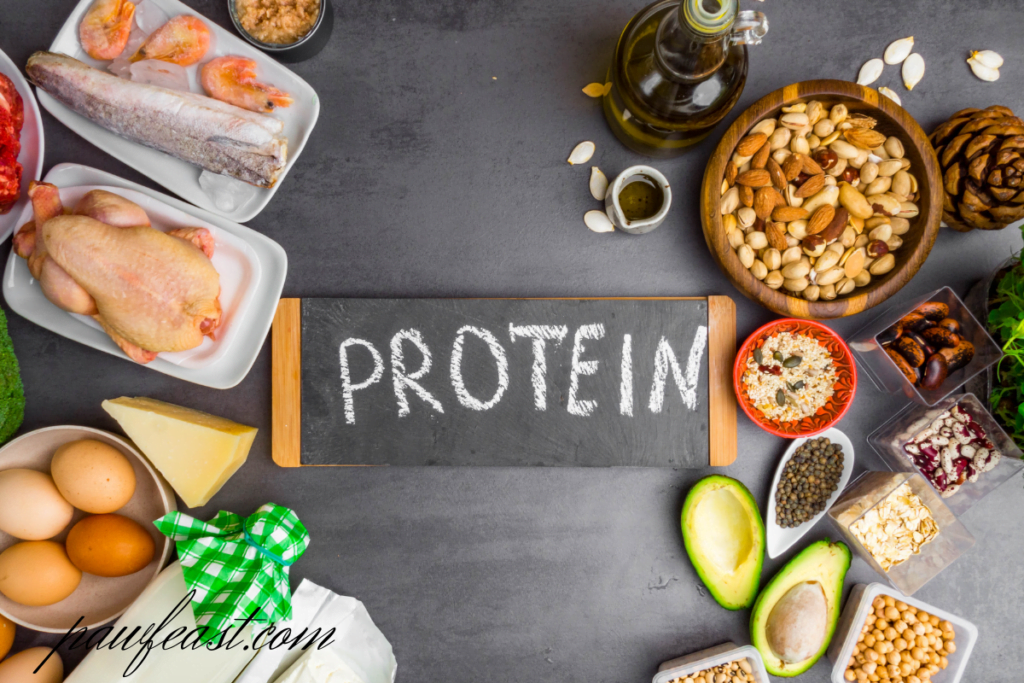
Proteins are all-important for your dog’s growth, muscle development, and overall bodily functions. You’ll want to make sure you’ve got plenty of proteins in their diet. In fact, one of the biggest reasons your dog needs enough protein is that it can’t produce some amino acids by itself, even though it needs them, and the only way to get them is to eat enough protein. And what contains protein? Luckily, it’s your dog is going to love, chicken, beef, lamb, fish, and eggs (and yes, dogs can eat eggs).
Proteins are important for all dogs, but puppies can especially benefit from them because they help to support the body when the dogs are growing fast, as puppies tend to do. Having said that, protein is still important for adult dogs because it keeps their muscle mass healthy and even helps them to repair their muscles and other organs.
Fats
Don’t panic! Fats can be good for your dog, and although you’ll need to make sure you’re giving them the right type, once you do, they’ll benefit. ats are good because they give your dog a concentrated dose of energy, plus they’ll absorb some vitamins like A, D, E, and K, meaning they’ll get to work more quickly. Plus, if you want your dog to have a healthy coat and skin, fats are the right thing to give them – try fish oil, chicken fat, and flaxseed in their diet.
Then there’s omega-3 and omega-6 fatty acids, and these are essential because they help to reduce inflammation, support brain function, and they also help with the coat and skin. In other words, if you can include a variety of fats in your dog’s diet, it’s going to mean they get more of the most important nutrients.
Carbohydrates
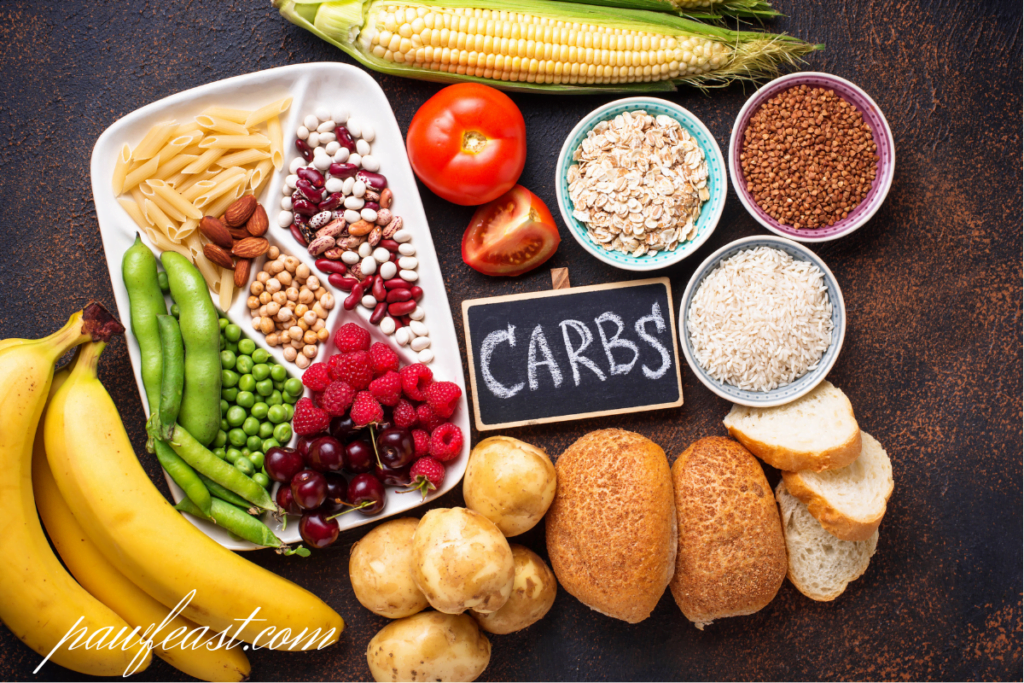
Carbohydrates are something else that should be included in a balanced dog diet, and the more active your dog happens to be, the more carbohydrates they’re going to need because they’re such an important energy source. On top of that, they’ll also give your dog a good amount of fibre which is great for their gut and digestion. Some of the things you can give your dog to give them a good measure of carbs include rice, oats, barley, and sweet potatoes, for example.
Although dogs can indeed technically manage without carbohydrates in their diet, including them can certainly benefit them, and it’s not going to hurt.
Vitamins and Minerals
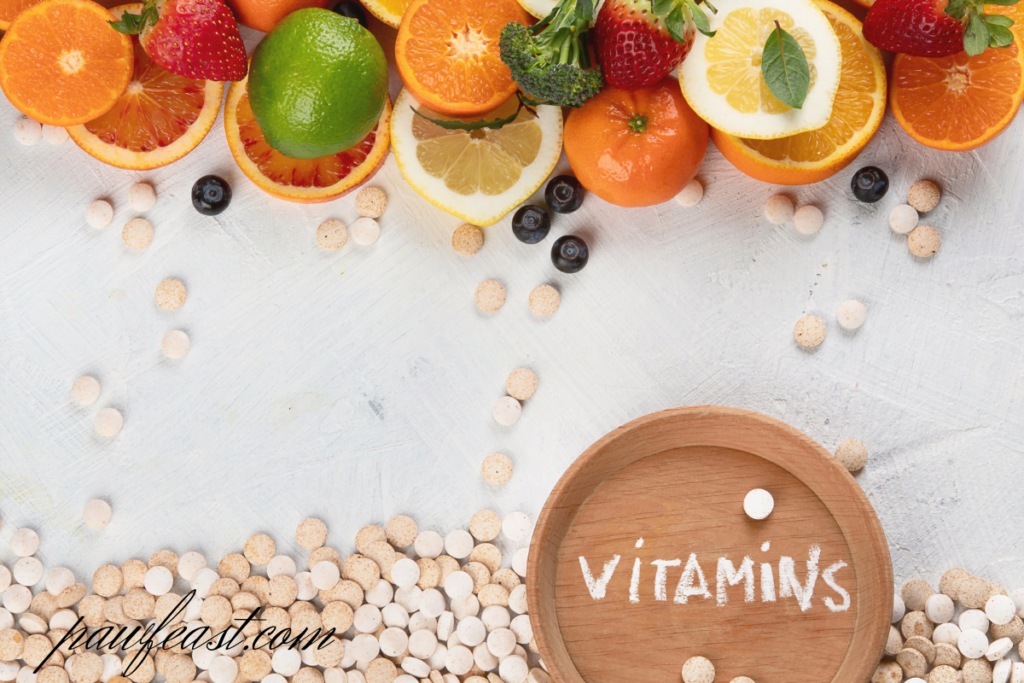
Finally, your dog is also going to need a wide range of vitamins and minerals to complete their balanced diet, and they’re going to help with various bodily functions, from bone development to helping boost the immune system.
The main vitamins to check your dog is getting are vitamin A (for vision, the immune system, and skin health), D (for bone health and to help absorb calcium), E (which is an antioxidant and protects the cells), and K (which is vital for blood clotting).
As for minerals, those include calcium (for bones and teeth), phosphorus (it works side by side with calcium), potassium (helps the muscles and nerves and magnesium (which makes energy).
Choosing the Right Dog Food
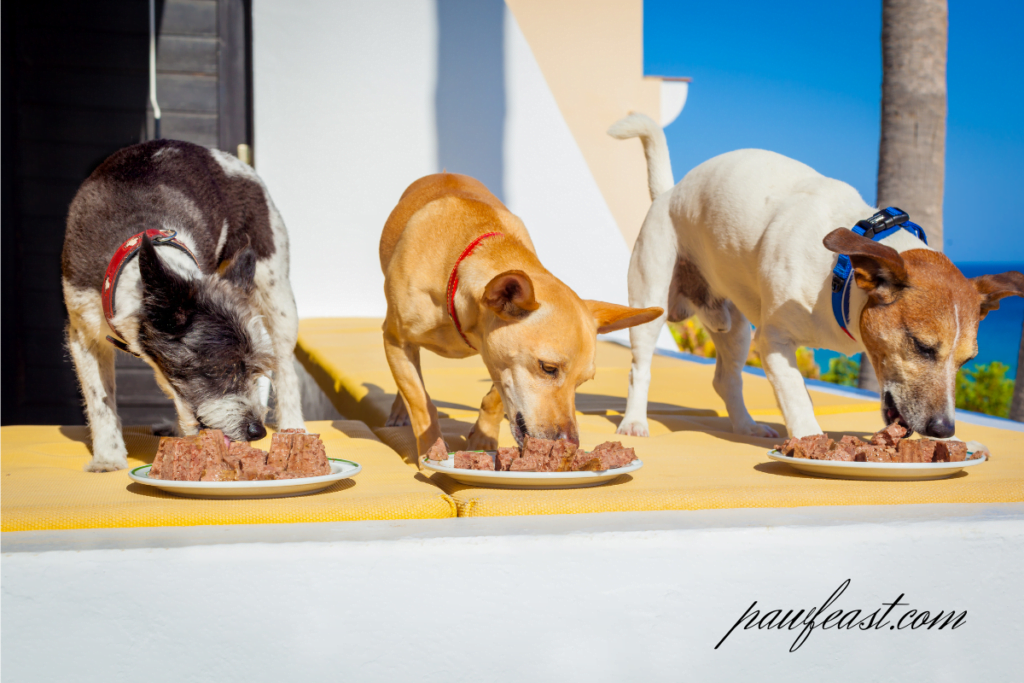
It’s clear that your dog needs a good, balanced diet to be healthy, which is why it’s vital to choose the right dog food for them, but that’s often easier said than done, especially when there are just many options. Here are some tips to help you.
Commercial Dog Food
Commercial dog food – the stuff you can buy from grocery stores, for example – is specifically designed to provide balanced nutrition for dogs, but some are better than others. You’ll need to look for products that list all the sources for everything it contain, and it’s ideal if you find something that has the proteins at the top of the list (standards for labeling mean that the thing that there’s most of in food goes first). It’s best not to buy any food that’s got a lot of filler like soy and corn in it, as they just make up the and don’t do anything for your dog’s health if they’re included, that means there’s less of everything else (less of the ingredients your dog needs).
Something else to look out for is a label with the acronym AAFCO on it. That stands for the Association of American Feed Control Officials, and it means that the food meets all the nutritional standards set out. Of course, it might only meet the minimum standards, so although this is a great thing to look out for, checking everything else is still important.
When you’re choosing commercial dog food, you’ll also need to think about specific dogs and make sure you get the right type. For, you’ll find there’s dog food specifically for puppies or for senior dogs, or you might find some for weight loss or skin conditions. Although getting the wrong type won’t hurt your dog, they might not be getting the right amount of all their important nutrients, so it’s best to double-check and get the right dog food from the start.
Homemade Dog Food
Some prefer to make their own dog food, often because it means they can control exactly what the ingredients are, and they can be confident their dog is getting what they need without any fillers or unhealthy additives. Of course, even if you’re happy to make your dog food, you’ll still need to ensure it includes all the proteins, fats, carbohydrates, vitamins, and minerals your dog needs otherwise you might be doing more harm than good.
Something you’ll need to be wary of when you’re making your dog food is that you can’t give dogs some types of food – it can be toxic, and at the very least that’s going to make your pet feel uncomfortable, but it could be much worse than that too avoid things like chocolate, onions, and grapes, for example, as they’re all poisonous to dogs (and that’s not an exhaustive list, so make sure you research the issue before you start making any food at home).
Probiotics
It can be a good idea to add probiotics for dogs to their daily meals as well, just to keep them as healthy as possible. Probiotics can help with digestion and boost the immune system, so they’re an extra line of defense for your pet’s health.
Feeding Schedules and Portion Control
It won’t make any difference how healthy the dog food is you’re giving your pet if you’re giving them too much or too little, which is why feeding schedules and portion control are so vital to get right when you want to ensure your dog’s nutritional needs are all being met.
Most adult dogs are fine with two meals a day (one in the morning and one in the evening), but puppies might need more (albeit smaller) meals (maybe up to four times a day) because they’re using more energy. If you can set up a consistent feeding routine as early on as possible, your dog will know what to expect, and they’ll benefit from better digestion and improved energy levels.
As for portion control, the amount of food your dog eats will depend on a few different factors, like how big they are, their age, and how active they are. Overfeeding can lead to a dog getting overweight or even obese, which is unhealthy for their heart, bones, and joints – it can even lead to diabetes. Being underweight is just as much of an issue, and it can lead to some long-term health problems that are painful for the dog and expensive for you to deal with.
It’s wise to speak to your vet about how much food your dog should have, and then monitor them when they’re eating to ensure you can work out what to give them. Regular weigh-ins might be a chore, but it’s vital to ensure your dog’s weight is healthy, and if it’s not, you can adjust the portions of food up and down to put things right.
Conclusion
By ensuring your dog’s nutrition is top-notch, you’re setting them up for a lifetime of health and happiness. So, go ahead and feed them the best, because they deserve it! 

Get Pawfeast in your inbox!
Stay informed! Get tips and exclusive Recipes.