
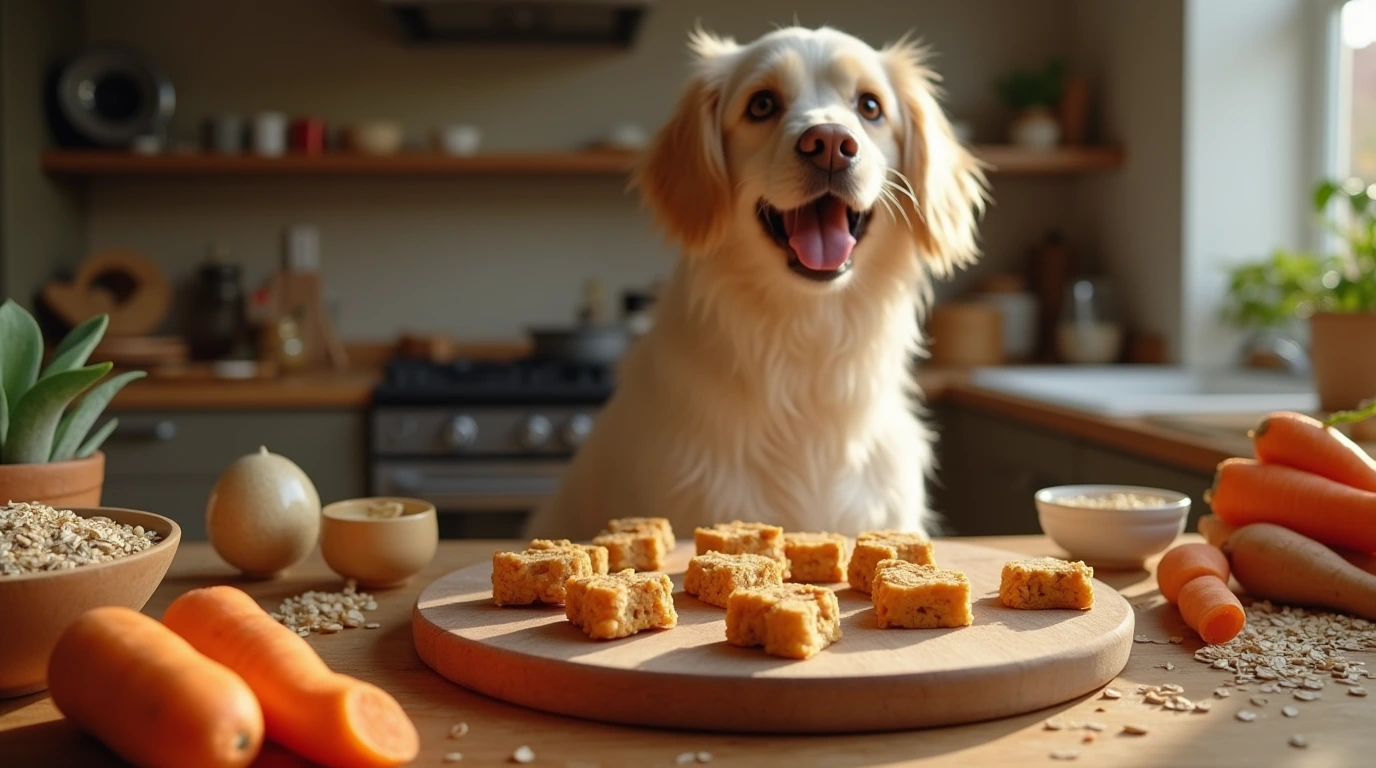
Dogs with sensitive stomachs often face challenges when it comes to their diet, particularly with treats. Many pet owners find themselves navigating a complex world of ingredients and dietary restrictions to ensure their furry friends can enjoy snacks without discomfort. This article delves into the world of grain-free dog treats, specifically designed for canines with delicate digestive systems.
We’ll explore the common symptoms and causes of sensitive stomachs in dogs, emphasizing proper nutrition’s crucial role in their overall health. From understanding safe ingredients to avoiding potential allergens, we’ll guide you through choosing and even making natural, stomach-friendly treats for your beloved pet.
Whether you’re a seasoned pet parent or new to the world of canine dietary needs, this comprehensive guide will provide valuable insights into creating a balanced treat routine that satisfies your dog’s cravings and supports their digestive health. Join us as we uncover the secrets to keeping tails wagging and tummies happy with grain-free, natural dog treats perfect for sensitive stomachs.
Grain-Free Dog Treats: Perfect for Sensitive Tummies
Understanding Sensitive Stomachs in Dogs
Common Symptoms of Digestive Sensitivity
When our furry friends experience digestive issues, it can be distressing for them and us. Here are some symptoms that may indicate a sensitive stomach:
- Vomiting and diarrhea: It might be worth investigating their diet if you notice your dog throwing up or having loose stools frequently.
- Gas and bloating: Dogs can experience discomfort from excess gas, leading to a bloated belly and a grumpy pup.
- Appetite changes: If your dog suddenly loses interest in their food, it could be a sign of digestive trouble.
Causes of Sensitive Stomachs in Dogs
Understanding the reasons behind a sensitive tummy can help us make better choices for our pups:
- Food allergies and intolerances: Just like us, dogs can have adverse reactions to certain ingredients. Common culprits include grains, beef, and dairy.
- Gastrointestinal disorders: Some dogs may suffer from more serious conditions like inflammatory bowel disease or parasites that impact digestion.
- Environmental factors: Stress, changes in routine, or even a new home can upset a dog’s stomach.
The Importance of Proper Nutrition
Choosing the right diet is key to promoting overall health:
- Role of diet in digestive health: What we feed our pets directly influences their digestive well-being. A balanced diet can prevent many issues.
- Benefits of selecting high-quality ingredients: Quality matters; natural ingredients support better digestion and nutrient absorption.
- Impact on overall well-being: A happy tummy often results in a happy dog whose energy levels, mood, and behavior are all improved.
Choosing the Right Ingredients for Natural Dog Treats
Safe Ingredients for Sensitive Stomachs
When looking for or making treats, consider:
- Commonly tolerated proteins: Chicken, turkey, and fish are generally easier on sensitive bellies.
- Digestible carbohydrates: Sweet potatoes and rice are great choices that are gentle and nutritious.
- Beneficial herbs and additives: Ingredients like ginger and pumpkin can help soothe the stomach.
What to Avoid in Dog Treats
Not all foods are suitable for our pups with delicate tummies:
- Common allergens: Stay away from grains like wheat and corn, and limit dairy.
- Fillers and artificial additives: These can irritate your dog’s stomach and don’t offer nutritional value.
- High-fat ingredients: Foods that are too rich can overwhelm their system.
Sourcing Quality Ingredients
Finding the right products is crucial:
- Importance of transparency from manufacturers: Look for brands that openly list their ingredients and sourcing methods.
- Locally sourced versus commercially available: Consider supporting local businesses to ensure freshness and quality.
- Reading labels effectively: Make it a habit to read ingredient lists—fewer ingredients usually mean better quality.
Popular Natural Dog Treats for Dogs with Sensitive Stomachs
Simple No-Bake Treats
If you’re looking for quick, easy recipes, these natural treats are a hit:
- Peanut butter and pumpkin bites: Mix equal parts peanut butter and pumpkin puree. Roll into small balls and chill.
- Chicken and sweet potato chews: Dehydrate thin slices of cooked chicken and sweet potatoes for a chewy treat.
- Oatmeal and banana cookies: Mash bananas and mix with oats. Bake for small cookies that are soft and tasty.
Baked Dog Treats
For those who enjoy baking with their furry friends in mind:
- Rice flour biscuits: Combine rice flour, water, and peanut butter for a crunchy snack.
- Turkey and carrot crunchies: Ground turkey and grated carrots baked until crisp make a nutritious option.
- Blueberry and apple muffins: Blend blueberries and apples with flour and eggs for a fruity delight.
Freeze-Dried Options
Freeze-dried treats have great benefits:
- The benefits of freeze-drying: This method preserves nutrients and flavor without adding preservatives.
- How to make freeze-dried treats at home: Utilize a freeze-dryer with fresh meats or fruits for homemade treats.
- Recommended freeze-dried products in stores: Look for reputable brands that emphasize high-quality, natural ingredients.
Tips for Transitioning to Natural Treats
Gradual Introduction of New Treats
Shifting your dog’s diet should be done gently:
- Importance of a slow transition: Introduce new treats gradually to avoid upset stomachs.
- How to mix new treats with current ones: Start with a mix of the familiar and the new, slowly increasing the amount of the new treat.
- Monitoring for adverse reactions: Keep an eye on any changes in behavior or digestion.
Recognizing and Addressing Digestive Distress
Being vigilant during the transition period is crucial:
- Signs to watch for during transition: Look out for any vomiting, diarrhea, or loss of appetite as new treats are introduced.
- What to do if symptoms arise: If issues occur, revert to the previous diet and consult with your veterinarian.
- When to consult a veterinarian: If symptoms persist or worsen, professional advice is essential.
Creating a Balanced Treat Routine
Establishing a structured treat regimen helps maintain health:
- Recommended treat quantities based on weight: Always adjust treat amounts according to your dog’s size and dietary needs.
Dog Feeding Charts: Determining how much food your dog should eat isn’t always easy, but lots of help is available. The best place to start is on the label of the dog food that your pet eats. Look at the packaging and you will find a feeding chart that provides recommendations tailored to that specific dog food.
A calorie calculator can also help, but the results are just an estimate. Your dog’s specific needs can be as much as 50% more or less than what is typical.
Body condition scoring is a good way to fine-tune how much food to give your dog, and of course, talk to your veterinarian if you have questions.
- How treats fit into daily calorie intake: Treats should only represent a small portion of your dog’s daily calories.
- Treats as tools for positive reinforcement: Use treats to encourage good behavior and strengthen your bond.
The Impact of Natural Treats on Overall Health
Improvements in Digestive Health
Natural ingredients bring numerous benefits:
- Benefits of natural ingredients on gut flora: Real foods encourage healthy bacteria in the gut.
- Reduction of gastrointestinal issues: Better ingredients can lead to fewer doggy tummy troubles.
- Support for a healthy immune system: A strong gut means a stronger immune response.
Behavioral Benefits of Healthy Treats
Nutrition plays a role in behavior:
- Positive effects on mood and energy levels: Dogs often feel better overall with a balanced diet.
- Impact on training and obedience: Healthy treats can motivate your dog during training sessions.
- Strengthening the bond between pet and owner: Sharing quality time during treat-giving creates a loving connection.
Long-Term Health Considerations
Healthy treats contribute to a dog’s quality of life:
- Contributions to longevity and quality of life: A good diet is linked to longer, healthier lives for our pets.
- Importance of ongoing dietary evaluation: Regularly assess your dog’s diet to adapt to their changing needs.
- Staying informed about new research in pet nutrition: Knowledge is power—keep learning about what’s best for your dog.
Conclusion
In summary, grain-free dog treats are a wonderful solution for dogs with sensitive tummies. Paying attention to dietary needs and choosing natural ingredients not only helps with digestion but also contributes to overall health and happiness. Every dog is unique, so it’s essential to tailor their diet to suit their specific needs. Why not start exploring some homemade options today? Your furry friend will thank you!
FAQs
What should I look for in natural dog treats? Look for simple ingredient lists, free from fillers and artificial additives, and high-quality proteins.
How can I tell if my dog has a sensitive stomach? Watch for signs like vomiting, diarrhea, or changes in appetite.
Can I use regular pet treats if my dog has a sensitive stomach? It’s best to choose treats specifically made for sensitive stomachs to avoid triggering issues.
Are store-bought natural treats safe for dogs with stomach issues? Many are, but be sure to read labels and select ones made with safe, high-quality ingredients.
What are the best types of proteins for dogs with food sensitivities? Limited ingredient diets typically work well; chicken, turkey, and fish are often well-tolerated choices.
Popular Homemade Dog Treat Recipes
Want to make treats for your dog? Here are some tasty dog treats to make:
- Banana Oat Cookies
- Chicken Sweet Potato Bites
- Peanut Butter Pumpkin Treats
- Salamon Spinach Biscuits
- Barking Beef, Broccoli & Rice Stir Fry
Find more easy dog treat recipes here on Pawfeast.com!
Get Pawfeast in your inbox!
Stay informed! Get tips and exclusive Recipes.