
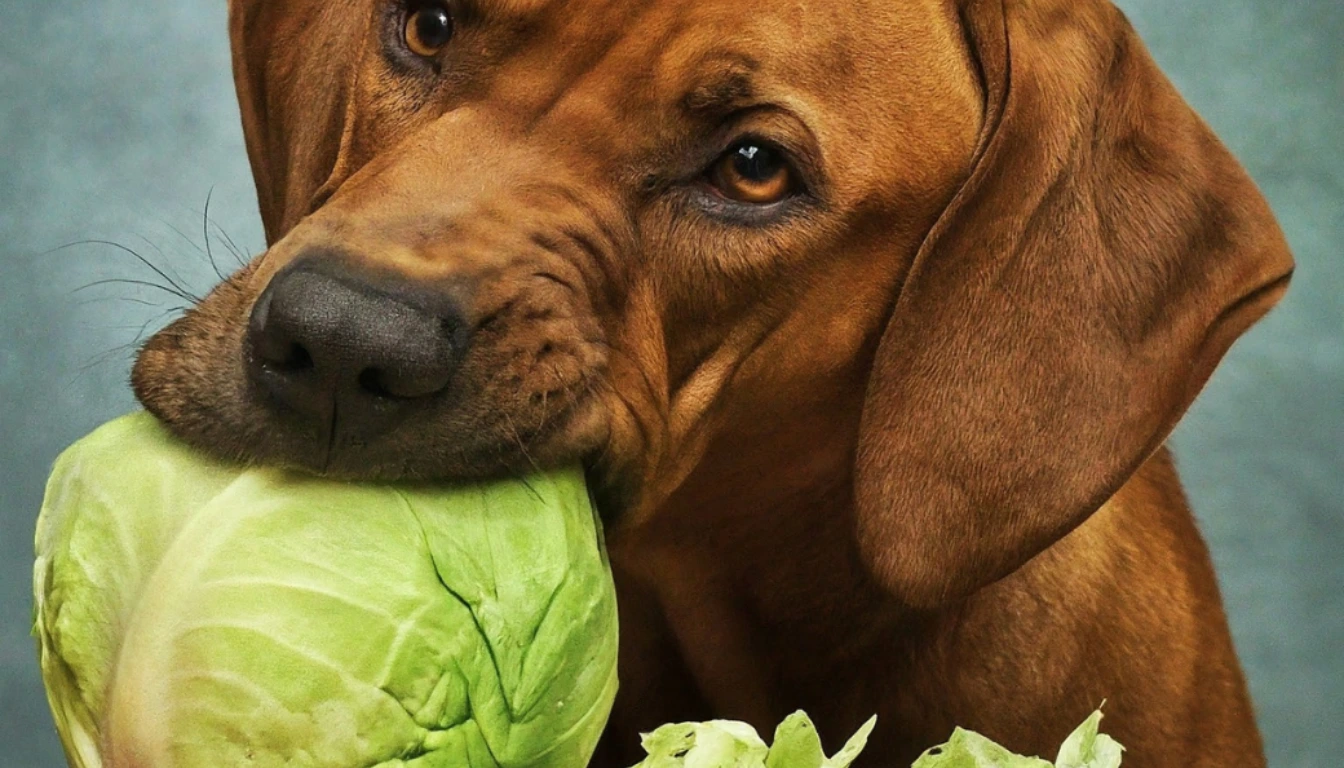

Can Dogs Eat Cabbage ?
Cabbage is a staple in many human diets. But when comes to our pets, things can be complicated. Indeed, this green vegetable isn’t toxic to dogs. However, it might create some digestive issues. So, is cabbage beneficial for our furry friends? Let’s examine how it affects them.
The Cabbage Puzzle
Cabbage is noted for its fiber and nutrient content. Sounds promising, right? Indeed! However, an important note: it can cause gas in dogs. A small amount could aid digestion, but too much might lead to unpleasant tummy sounds. And who wants that disturbance in a peaceful home?
The Good Stuff About Cabbage
Fiber for Digestion
Cabbage contains a lot of fiber. This helps dogs digest their food better by aiding regularity. Healthy pooches might find it useful in preventing issues like constipation and diarrhea.
Boosts Immunity
In cabbage, you’ll find vitamins C & K! These help support your dog’s immune system and protect against minor infections. Additionally, cabbage includes vital minerals that keep your pet feeling good.
Weight Control
This vegetable is low in calories but rich in fiber. Consequently, dogs can feel satisfied without consuming too many calories. It could be a clever option for those needing to manage their weight!
Antioxidants Galore
Cabbage offers flavonoids & polyphenols strong antioxidants. These help combat harmful free radicals in your dog’s body.
Moderation Matters!
Yes, cabbage has its advantages; however, caution is key! Some dogs may experience gas or discomfort afterward. If you decide to include it in their meals, introduce it gradually and monitor their reactions closely.
How to Prepare Cabbage for Your Dog ?
When serving cabbage, avoid adding harmful ingredients like onions or garlic! Offering raw or lightly cooked cabbage either white or red is perfectly fine! Just chop it into small pieces to make chewing easier.
Other Veggies Dogs Might Like
If cabbage isn’t suitable for your dog’s tummy, there are plenty of other tasty veggie options:
- Celery: Crunchy & full of vitamins.
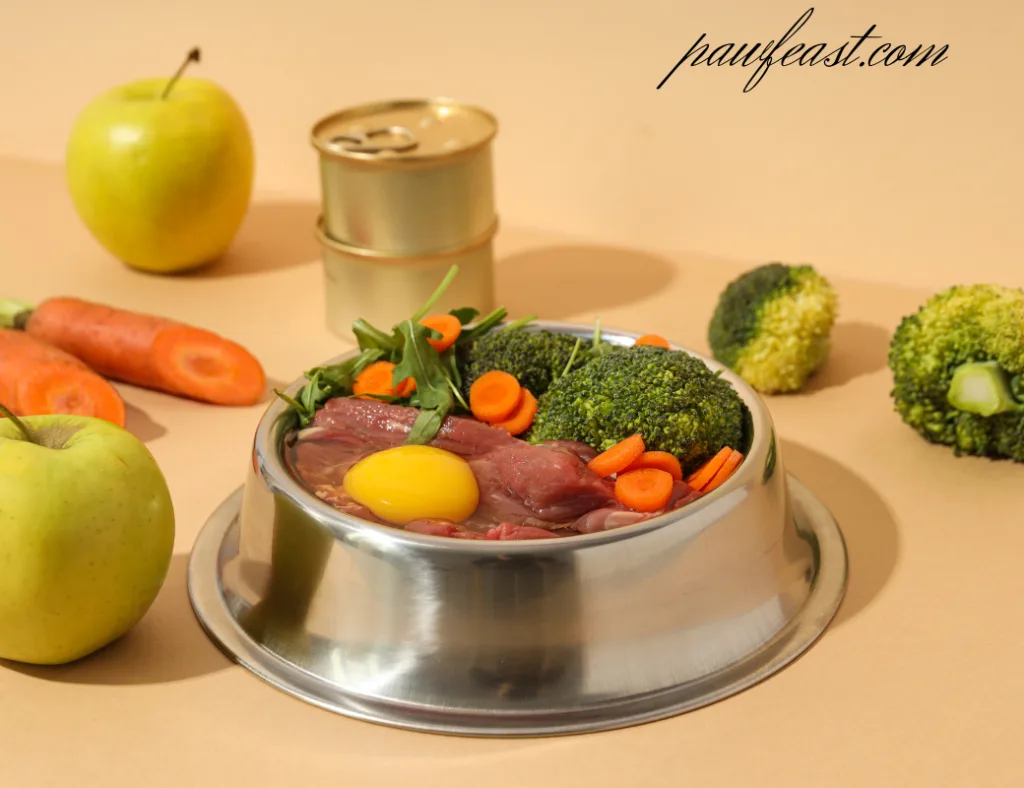
- Broccoli: Rich in fiber but introduced slowly!
- Carrots: Naturally sweet and nutritious.
- Cooked Potatoes: Delicious just skip the raw ones.
- Spinach: Packed with nutrients but may not be favored by all dogs.
Finding the Right Balance
Ultimately, whether or not to add cabbage to your dog’s meals comes down to individual preference and digestive health. Consider how they react after eating and always prioritize their well-being. By balancing the benefits with potential gas issues, you can help your furry friend enjoy a nutritious diet!
Cabbage & Gas: What’s Going On?
So why does cabbage cause gas? Well, it’s high in fiber and contains raffinose—a sugar that may not break down until later during digestion when bacteria start processing it, leading to gas.
Tips for Minimizing Gas
While we can’t eliminate all gas from cabbage completely, here are a few suggestions:
- Start Slow: Introduce small servings of cabbage so your dog’s stomach can adjust!
- Cooking Helps: Cooking the cabbage can reduce some of the sugars that create gas.
- Fermentation Fun: Fermented cabbage generally tends to be easier on the stomach.
Conclusion:
A Friendly Look at Feeding Cabbage to Dogs
Feeding cabbage can be beneficial for dogs but careful consideration is essential before adding it to their diet. Each dog varies; some handle cabbage well while others may struggle with it. Full of fiber, vitamins, and minerals, cabbage keeps pups healthy but might also result in excessive gas yikes! So introducing it slowly is wise. Observe your dog’s response closely and consider alternative veggies if needed.
Ultimately, your dog’s comfort and health are priorities. By weighing the benefits against any potential downsides along with being mindful of what your dog prefers—you can assist them in enjoying a nutritious diet while staying happy & healthy.
Want to see more info and have more responses to your question, follow our Quora space.
Want to know more? Here’s the science:
- Bosch, G., Zhang, S., Oonincx, D. G., & Hendriks, W. H. (2014). Protein quality of insects as potential ingredients for dog and cat foods. Journal of Animal Science and Technology, 56(1), 1-6. https://www.ncbi.nlm.nih.gov/pmc/articles/PMC4473158/
- Finke, M. D. (2013). Complete nutrient content of four species of commercially available feeder insects fed enhanced diets during growth. Journal of Nutritional Science, 2(e29), 1-6. – https://pubmed.ncbi.nlm.nih.gov/26366856/
- Favrot, C., Steffan, J., Seewald, W., & Picco, F. (2010). A prospective study on the clinical features of chronic canine atopic dermatitis and its diagnosis. *Veterinary Dermatology*, 21(1), 23-31. – https://pubmed.ncbi.nlm.nih.gov/20187911/
- Verlinden, A., Hesta, M., Millet, S., & Janssens, G. P. (2006). Food allergy in dogs and cats: a review. *Journal of Animal Physiology and Animal Nutrition*, 90(5-6), 177-193. – https://pubmed.ncbi.nlm.nih.gov/16527756/
- Effects of black soldier fly larvae as protein or fat sources on apparent nutrient digestibility, fecal microbiota, and metabolic profiles in beagle dogs – https://www.frontiersin.org/articles/10.3389/fmicb.2022.1044986/full
Popular Homemade Dog Treat Recipes
Want to make treats for your dog? Here are some tasty dog treats to make:
Find more easy dog treat recipes here on Pawfeast.com!
Get Pawfeast in your inbox!
Stay informed! Get tips and exclusive Recipes.