


Is Your Furry Friend Suffering from Allergies?
Picture this: your lovely dog is scratching all the time. Their skin looks red, and they seem uncomfortable. If you’ve seen this sad scene, you know how tough dog allergies can be. But what if you could help them feel better with yummy, allergy-friendly treats made right in your kitchen?
Why Homemade Hypoallergenic Dog Treats Are Important
Dog allergies are getting more common these days. Many store-bought dog treats have ingredients that can make these allergies worse. When you make your hypoallergenic dog treats, you decide what goes into your dog’s meals. This way, you ensure they get only the safest ingredients—things that are good for them!
What’s Inside This Guide?
In this guide, we will check out some important stuff:
- Whole Grains: Oats and barley are great since they hardly cause allergic reactions.
- Lean Proteins: Chicken, salmon, and turkey offer healthy proteins usually tolerated by allergic dogs.
- Fruits & Veggies: Sweet potatoes, carrots & green beans are tasty & good-for-you options!
- Healthy Fats: Coconut oil & flaxseed oil give important fatty acids without containing common allergens.
Vet-Approved Recipes
Here are some yummy recipes you can try at home:
Sweet Potato Chews

Ingredients: Sweet potatoes
Instructions: Slice thinly & dehydrate until crunchy.
Nutritional Benefits: High in fiber & vitamins perfect hypoallergenic treat!
Chicken & Oat Biscuits
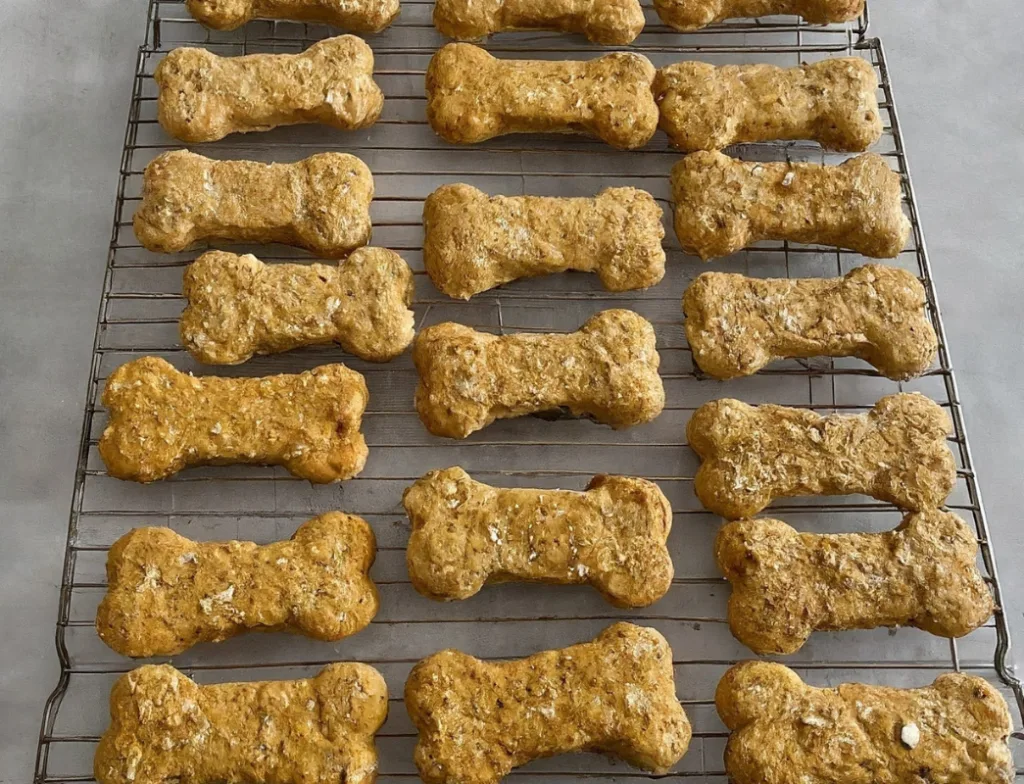
Ingredients: Chicken breast, oats, eggs
Instructions: Mix everything then roll out dough; cut shapes and bake at 350°F for 25–30 mins.
Nutritional Benefits: Lots of protein and fiber—super healthy snacks!
Coconut & Blueberry Bites
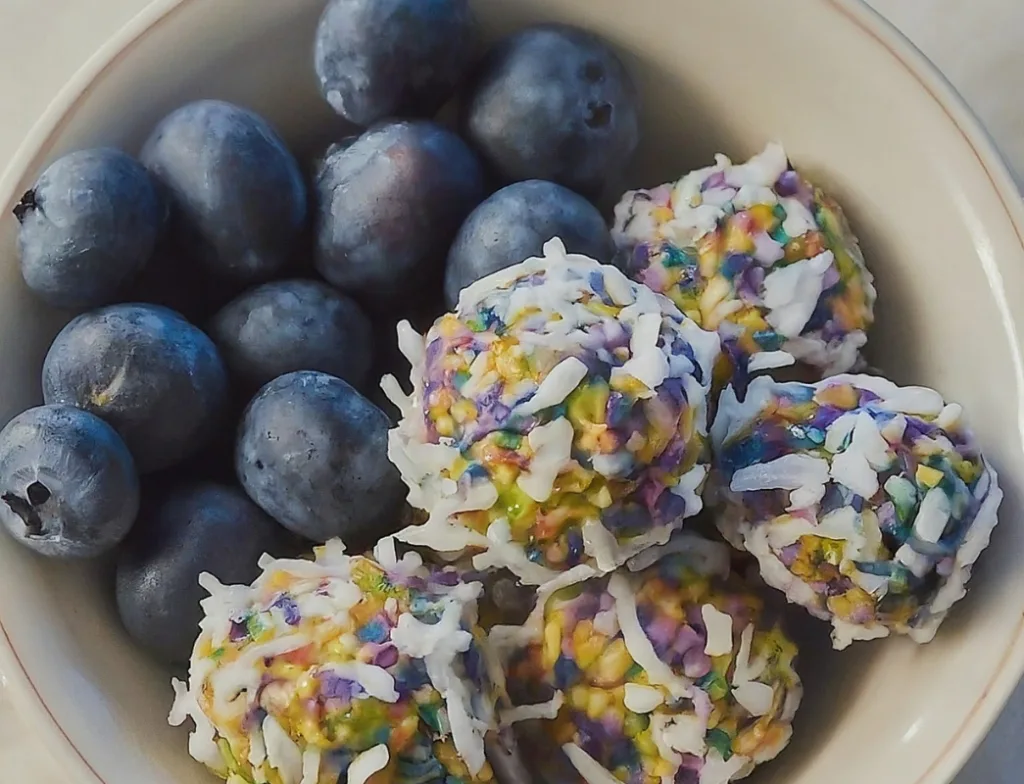
Ingredients: Coconut flour, blueberries,
Instructions: Mix well; roll into small balls; bake at 350°F for 15–20 mins.
Nutritional Benefits: Packed with antioxidants & healthy fats great picks for sensitive pups!
Tips for Making Hypoallergenic Dog Treats
Storage Ideas
Keep those homemade goodies fresh! Store them in airtight containers at room temperature for a week or freeze them for longer storage. Always check them before giving one to your pup!
Customize Recipes
Feel free to swap ingredients based on what works (or doesn’t work) for your dog! If chicken isn’t okay, try turkey or fish instead!
Introduce Gradually
When bringing in new treats, start slow so their tummy gets used to it! Begin with small amounts and watch how they react before giving more.
Safety Notes
Avoid Common Allergens
As always watch out for usual culprits like wheat, soy, dairy & certain nuts! It’s wise to discuss it with a vet before changing your pup’s diet.
Chat With Your Vet
Before starting any new treat idea or diet change, contact a vet first. They’ll give handy advice based on what’s best for your dog’s health!
Conclusion
Making tasty homemade hypoallergenic dog treats isn’t just easy; it also helps tackle allergy worries while delivering nutritious snacks.
Want to know more? Here’s the science:
Bosch, G., Zhang, S., Oonincx, D. G., & Hendriks, W. H. (2014). Protein quality of insects as potential ingredients for dog and cat foods. Journal of Animal Science and Technology, 56(1), 1-6. https://www.ncbi.nlm.nih.gov/pmc/articles/PMC4473158/- Finke, M. D. (2013). Complete nutrient content of four species of commercially available feeder insects fed enhanced diets during growth. Journal of Nutritional Science, 2(e29), 1-6. – https://pubmed.ncbi.nlm.nih.gov/26366856/
- Favrot, C., Steffan, J., Seewald, W., & Picco, F. (2010). A prospective study on the clinical features of chronic canine atopic dermatitis and its diagnosis. *Veterinary Dermatology*, 21(1), 23-31. – https://pubmed.ncbi.nlm.nih.gov/20187911/
- Verlinden, A., Hesta, M., Millet, S., & Janssens, G. P. (2006). Food allergy in dogs and cats: a review. *Journal of Animal Physiology and Animal Nutrition*, 90(5-6), 177-193. – https://pubmed.ncbi.nlm.nih.gov/16527756/
- Effects of black soldier fly larvae as protein or fat sources on apparent nutrient digestibility, fecal microbiota, and metabolic profiles in beagle dogs – https://www.frontiersin.org/articles/10.3389/fmicb.2022.1044986/full
- Common allergens found in dog treats & how to steer clear of them.
- Why homemade hypoallergenic treats are better for your dog’s health.
- Key ingredients to use & allergens to avoid.
- Vet-approved recipes for tasty hypoallergenic snacks.
- Handy tips for making, storing, and getting your dog used to new treats.
- Important safety reminders.
Are you ready to give your pup the healthiest, tastiest treats ever? Let’s jump right in and wave goodbye to allergies with our vet-approved homemade hypoallergenic dog treats!
Introduction
As a proud dog owner, it’s tough to see your friend struggle with allergies. The non-stop scratching and sore skin can be heart-wrenching! But imagine if you could whip up some treats that not only taste great but also help ease allergy issues. That’s where homemade hypoallergenic dog treats come into play a solution that vets back up and that fits perfectly with what your pet needs.
Why Homemade Hypoallergenic Dog Treats Matter
Many commercial dog snacks are loaded with allergens like wheat, soy, and dairy. These can make things even worse for dogs that already have allergies! Making your treats is a smart way to keep control over every ingredient, making sure they stay clear of common allergens while still being yummy! This plan helps manage allergies & it’s often cheaper too—plus it’s specially made just for your furry friend.
The Perks of Homemade Hypoallergenic Dog Treats
You Choose the Ingredients
One big plus of homemade treats is picking safe ingredients for your pooch. Skip the usual allergens & use good stuff like oats, sweet potatoes, or lean meats instead. These choices mean healthier delights! This control matters especially for pups with strong food allergies where a tiny mistake might lead to serious problems.
Personal Touch & Save Money
Making the treats yourself allows you to craft recipes just for your dog’s likes and needs. Need a recipe without grains? Or a substitute because of an allergy? You got it! Plus, making snacks at home can save you money compared to buying fancy store-bought ones.
Best Ingredients for Hypoallergenic Dog Treats
When making these special snacks, choosing the right ingredients is key. Here’s a quick list of must-haves:
- Whole Grains: Oats and barley are great since they hardly cause allergic reactions.
- Lean Proteins: Chicken, salmon, and turkey offer healthy proteins usually tolerated by allergic dogs.
- Fruits & Veggies: Sweet potatoes, carrots & green beans are tasty & good-for-you options!
- Healthy Fats: Coconut oil & flaxseed oil give important fatty acids without containing common allergens.
Vet-Approved Recipes
Here are some yummy recipes you can try at home:
Sweet Potato Chews
Ingredients: Sweet potatoes
Instructions: Slice thinly & dehydrate until crunchy.
Nutritional Benefits: High in fiber & vitamins perfect hypoallergenic treat!
Chicken & Oat Biscuits
Ingredients: Chicken breast, oats, eggs
Instructions: Mix everything then roll out dough; cut shapes and bake at 350°F for 25–30 mins.
Nutritional Benefits: Lots of protein and fiber—super healthy snacks!
Coconut & Blueberry Bites
Ingredients: Coconut flour, blueberries,
Instructions: Mix well; roll into small balls; bake at 350°F for 15–20 mins.
Nutritional Benefits: Packed with antioxidants & healthy fats great picks for sensitive pups!
Tips for Making Hypoallergenic Dog Treats
Storage Ideas
Keep those homemade goodies fresh! Store them in airtight containers at room temperature for a week or freeze them for longer storage. Always check them before giving one to your pup!
Customize Recipes
Feel free to swap ingredients based on what works (or doesn’t work) for your dog! If chicken isn’t okay, try turkey or fish instead!
Introduce Gradually
When bringing in new treats, start slow so their tummy gets used to it! Begin with small amounts and watch how they react before giving more.
Safety Notes
Avoid Common Allergens
As always watch out for usual culprits like wheat, soy, dairy & certain nuts! It’s wise to discuss it with a vet before changing your pup’s diet.
Chat With Your Vet
Before starting any new treat idea or diet change, contact a vet first. They’ll give handy advice based on what’s best for your dog’s health!
Conclusion
Making tasty homemade hypoallergenic dog treats isn’t just easy; it also helps tackle allergy worries while delivering nutritious snacks.
Want to know more? Here’s the science:
Bosch, G., Zhang, S., Oonincx, D. G., & Hendriks, W. H. (2014). Protein quality of insects as potential ingredients for dog and cat foods. Journal of Animal Science and Technology, 56(1), 1-6. https://www.ncbi.nlm.nih.gov/pmc/articles/PMC4473158/- Finke, M. D. (2013). Complete nutrient content of four species of commercially available feeder insects fed enhanced diets during growth. Journal of Nutritional Science, 2(e29), 1-6. – https://pubmed.ncbi.nlm.nih.gov/26366856/
- Favrot, C., Steffan, J., Seewald, W., & Picco, F. (2010). A prospective study on the clinical features of chronic canine atopic dermatitis and its diagnosis. *Veterinary Dermatology*, 21(1), 23-31. – https://pubmed.ncbi.nlm.nih.gov/20187911/
- Verlinden, A., Hesta, M., Millet, S., & Janssens, G. P. (2006). Food allergy in dogs and cats: a review. *Journal of Animal Physiology and Animal Nutrition*, 90(5-6), 177-193. – https://pubmed.ncbi.nlm.nih.gov/16527756/
- Effects of black soldier fly larvae as protein or fat sources on apparent nutrient digestibility, fecal microbiota, and metabolic profiles in beagle dogs – https://www.frontiersin.org/articles/10.3389/fmicb.2022.1044986/full
Get Pawfeast in your inbox!
Stay informed! Get tips and exclusive Recipes.