
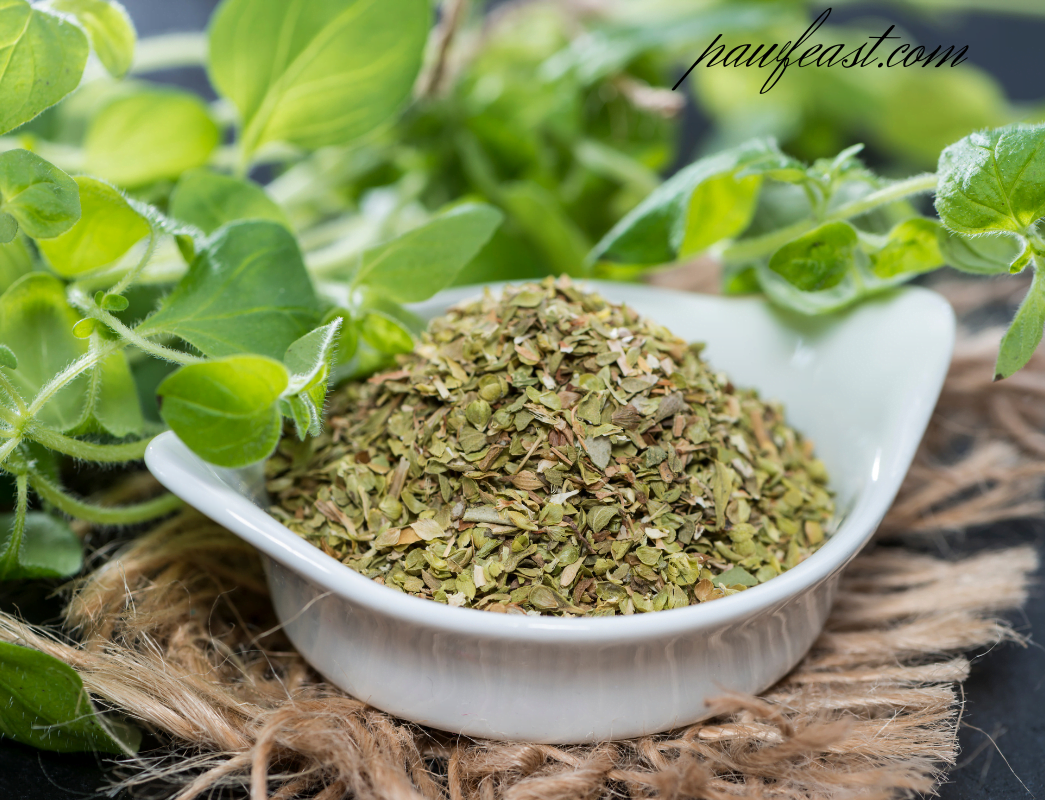
Oregano, with its bold, slightly bitter flavor, is a staple in many culinary delights, from the spicy zing of fresh salsa to the rich aroma of pasta sauces. However, when it comes to sharing this herb with your canine companion, the answer is not as straightforward as one might hope.
The Dual Nature of Oregano
While oregano is generally considered safe for dogs in moderation, its consumption can be a double-edged sword. On one hand, oregano is packed with vitamins A, C, and K, along with minerals like calcium, iron, and manganese, making it a nutrient-rich addition to a dog’s diet.
The Benefits
Anti-inflammatory and Antimicrobial Properties: Oregano’s essential oils, such as carvacrol and thymol, possess anti-inflammatory, antifungal, and antibacterial properties. These can be beneficial in alleviating canine colds, bloating, and even digestive issues.
Antioxidant Power: With antioxidant levels exceeding those of apples by over 40 times, oregano can help protect your dog’s body from free radicals and cell damage.
The Risks
On the other hand, oregano’s essential oils can also act as irritants, particularly when consumed in large quantities.
Gastrointestinal Upset
The primary risk associated with oregano consumption in dogs is gastrointestinal irritation. The oils in oregano can irritate the gastrointestinal tract, leading to vomiting and diarrhea. While these effects are usually mild, they can be distressing for both the dog and the owner.
Other Potential Issues
Skin, Eye, and Respiratory Irritation: Besides the gastrointestinal tract, oregano’s essential oils can also irritate a dog’s skin, eyes, and respiratory system.
Unknown Long-Term Effects: There are concerns, though largely anecdotal, about oregano’s potential link to liver problems and abortions in humans. While the impact on dogs is unknown, it’s prudent to exercise caution and limit oregano intake.
How to Safely Introduce Oregano to Your Dog’s Diet
If you still wish to include oregano in your dog’s diet, it’s crucial to do so with moderation and caution.
Guidelines for Safe Consumption
Moderation is Key: Only small amounts of oregano should be added to your dog’s meals. A recommendation from some veterinarians is up to half a teaspoon of fresh oregano or ⅛ teaspoon of dried oregano as a food topper.
**Monitoring: Always monitor your dog for any adverse reactions, such as vomiting, diarrhea, or lethargy, and consult your veterinarian if these symptoms occur.
What Can I Feed Instead of Oregano?
Given the potential risks, there are several safer and equally nutritious alternatives you can offer your dog.
Safer Options
- Blueberries: Rich in antioxidants and fiber, blueberries make an excellent treat for dogs.
- Boiled Pumpkin: Known for its soothing effects on the digestive system, boiled pumpkin is a safe and healthy option.
- Cranberries: These berries can help support urinary health and are a tasty addition to your dog’s meals.
- Rosemary: In small amounts, rosemary can add a flavorful and nutritious twist to your dog’s diet.
Final Thoughts
Due to the various risks versus benefits concerning the use of oregano as a part of the dog’s diet, pet owners are advised to exercise caution when administering this aromatic herb-a staple in kitchens across cultures, which has been known to perhaps offer some health benefits, including antimicrobial and anti-inflammatory properties; on the other hand, along with other food items, it also turns to be potentially adverse if consumed too much or by dogs with sensitivities in the digestive tract.
If your dog ingests oregano, you still have to keep a watchful eye on him. Most side effects tend to be mild but these minor side effects sure can bring a lot of discomfort to your furry gentle friend. Some of these symptoms include vomiting, diarrhea, and perhaps allergic reactions in certain cases, which particularly require careful observation with possible medical intervention depending on how severe a condition is. Such medical treatments may include medications to treat such symptoms, fluid therapy to preempt dehydration, administering probiotics to restore gut health, and transitioning for a short period to a bland diet to guide the organism back into the recovery zone.
It is worth noting the size and overall health of your dog, which are major determinants of how your dog will respond to oregano. Smaller dogs or those with pre-existing health conditions may be more susceptible to negative effects, even in smaller amounts. Along these lines, some dogs can have sensitivities toward or allergies to herbs like oregano, making such reactions in canines quite unpredictable.
In summary, oregano does not count as toxic for dogs, but its introduction into their diets should occur only cautiously and, when possible, upon advice from their veterinarian. For the majority of dogs, the associated risks, however minimal, tend to exaggerate their potential benefits. There is a lot of research that shows several safer and better options available for dog owners to add value to their canine meals or add minimal health benefits. These are dog-specific supplements or herbs approved by veterinarians, which offer benefits without harm.
Never lose sight of the health of your canine companions as paramount. In the case of oregano and similar herbs, it’s best to err on the cautionary side and leave these aromatic extras off the menu. Rather, serve a completely balanced nutrition-packed dog food, making sure you ask the veterinarian of your ever-nagging canine friend about the need for every other potent ingredient. The goal is to provide your furry friend with all the necessary nutrients, save for those poisons that often come with human foods that contain things such as oregano.
Get Pawfeast in your inbox!
Stay informed! Get tips and exclusive Recipes.