
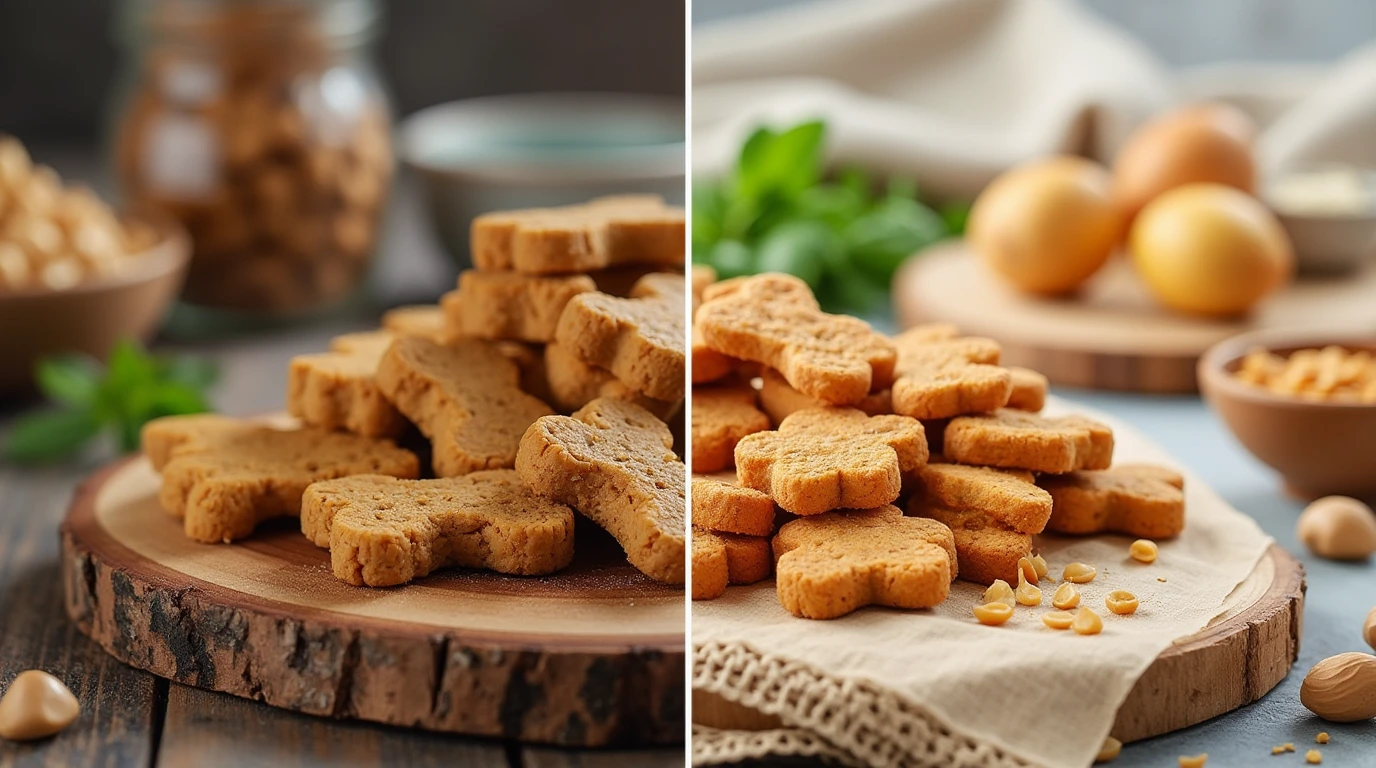
As the aroma of freshly baked cookies wafts through your home, it’s almost impossible to resist the pleading eyes of your canine companion. However, the allure of sharing a sweet treat with your dog must be tempered with the harsh realities of canine nutrition and the potential dangers lurking in those delicious morsels.
Can Dogs Eat Cookies? The Perils of Human Cookies for Dogs
Human cookies, while a comfort food for us, are a minefield of toxic ingredients and unhealthy components for dogs. Here are some of the key reasons why Fido should never indulge in your favorite baked goods:
Toxic Ingredients: A Deadly Mix
Chocolate: Theobromine and caffeine in chocolate can trigger severe central nervous system and heart issues, potentially leading to fatal outcomes.
Raisins and Grapes: Even a few of these can cause sudden kidney failure, a condition that is both sudden and devastating.
Nutmeg: Myristicin, a compound found in nutmeg, can induce high blood pressure, increased heart rate, hallucinations, and even seizures in dogs.
Macadamia Nuts: The exact toxic component is unknown, but these nuts can cause vomiting, depression, tremors, weakness, and hyperthermia in small to medium-sized dogs.
Xylitol: This sugar substitute is highly toxic to dogs, leading to hypoglycemia, sluggishness, seizures, and even liver failure.
Choking Hazards: A Silent Threat
The excitement of getting a treat can sometimes lead to reckless behavior, such as swallowing a cookie whole. This can pose a severe choking hazard, especially for dogs that tend to scarf down their food quickly.
High Sugar Content: A Path to Health Issues
While sugar itself is not toxic, it is far from beneficial for your dog. Consuming high amounts of sugar can lead to gastrointestinal issues, and long-term consumption can result in weight gain, potentially triggering diabetes and other obesity-related health problems.
Butter, Oil, and Other Culprits
Butter, shortening, and vegetable oils in cookies can cause an upset stomach, complete with vomiting, diarrhea, and stomach pain. Moreover, eating high amounts of fat can trigger pancreatitis, a potentially life-threatening condition where the pancreas becomes inflamed.
What to Do if Your Dog Eats a Cookie?

If you suspect your dog has ingested a cookie, the first step is to scrutinize the ingredient list meticulously.
Toxic Ingredients Detected: If the cookies contain any of the toxic ingredients mentioned, immediate action is necessary. Contact your veterinarian or rush to the emergency vet if your dog is already showing signs of toxic ingestion. The Pet Poison Hotline at (855) 764-7661 is also a valuable resource in such emergencies.
No Toxic Ingredients: If the ingredients are safe, monitor your dog closely over the next few hours. Keep an eye out for signs of lethargy, diarrhea, or vomiting.
Dog Safe Cookies: A Healthier Alternative
While human cookies are off-limits, there are plenty of dog-friendly cookie recipes that you can try. Here’s a simple and healthy recipe for peanut butter cookies tailored specifically for your furry friend:
Peanut Butter Cookies for Dogs
Ingredients:
1 ripe banana, mashed
1 tablespoon chia seeds (optional)
1/3 cup of all-natural peanut butter (ensure it contains only peanuts and no xylitol or spices).
1 cup of quick oatmeal
Instructions:
1. Preheat your oven to 350°F.
2. Line a baking sheet with parchment paper.
3. Mix the mashed banana, peanut butter, and chia seeds in a bowl.
4. Add the quick oats and stir until fully combined.
5. Use a tablespoon (or teaspoon for small breeds) to measure out cookie balls and space them evenly on the baking sheet.
6. Gently press down on each cookie with a fork.
7. Bake for 15 to 18 minutes or until the cookies are golden brown.
8. Allow them to cool completely before offering them to your dog.
Notes:
Ensure the peanut butter is free from xylitol and any other spices.
Nutrition: Approximately 120 kcal per cookie.
Final Thoughts
Human cookies, no matter how tempting, are not a suitable treat for your dog. The risks associated with toxic ingredients, choking hazards, high sugar content, and unhealthy fats far outweigh any momentary pleasure. Instead, opt for dog-friendly cookie recipes that are both safe and nutritious. By doing so, you can indulge your dog in a sweet treat without compromising their health.
In the end, it’s a small price to pay for the peace of mind and the health of your beloved canine companion. So, the next time you’re baking, consider whipping up a batch of peanut butter cookies specifically designed for dogs. It’s a gesture of love and care that aligns perfectly with the responsibilities of being a pet parent.
Get Pawfeast in your inbox!
Stay informed! Get tips and exclusive Recipes.